
What Is a Semi Trailer? A Complete Beginner's Guide
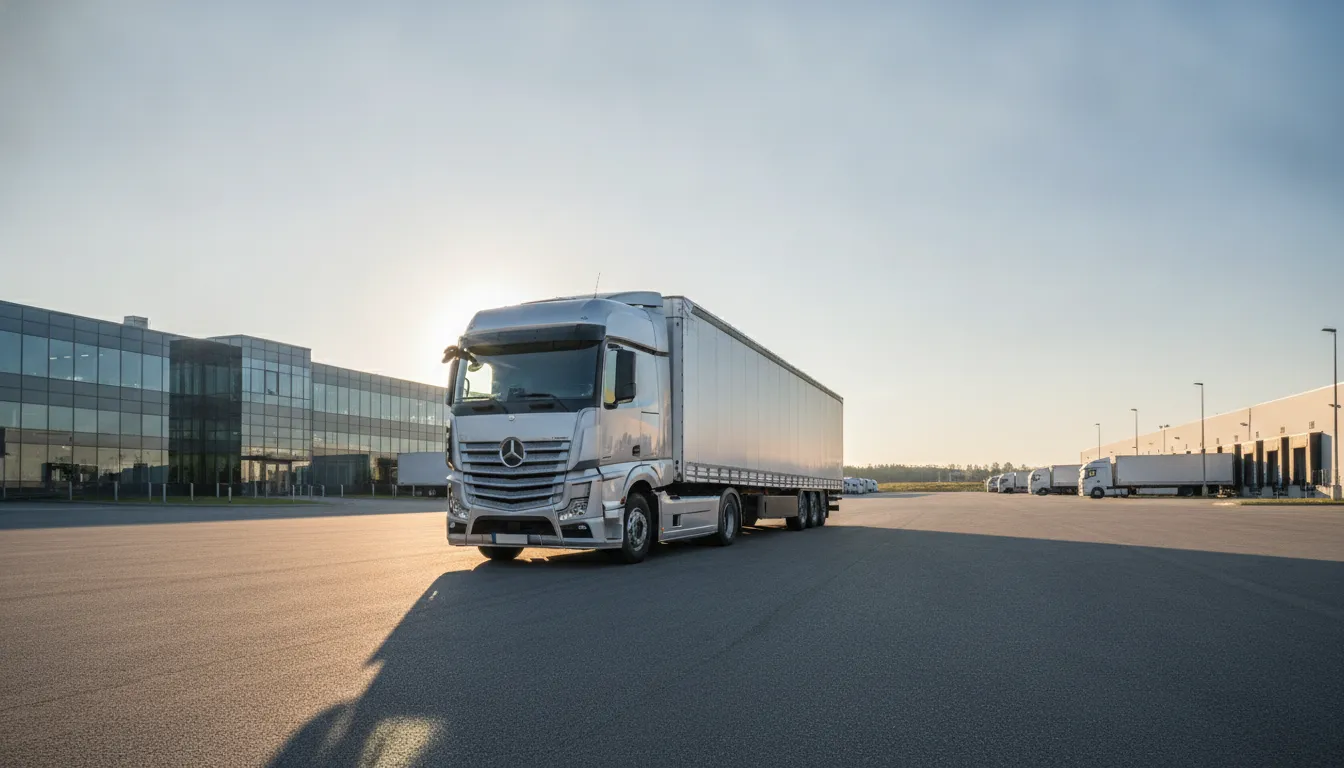
From the fresh produce in your grocery store to the construction materials for a new building, nearly everything we use is moved by a semi-trailer. Their incredible versatility is what keeps our economy running. But not all trailers are created equal. The industry has developed a specialized semi-trailer for almost every type of cargo imaginable, whether it needs to be kept cold, protected from the elements, or loaded with a crane. This guide explores the most common types of trailers on the road, helping you understand which one is the perfect match for the goods you need to transport.
Key Takeaways
- Define your cargo needs first: The most important step is matching the trailer to what you haul. A dry van is for general goods, a reefer is for perishables, and a flatbed is for equipment; choosing correctly ensures your cargo is transported safely and efficiently.
- Know the design benefits and legal duties: A semi-trailer's design allows it to carry heavier loads and makes it easier to maneuver in tight spaces. This operational advantage comes with the responsibility of following all federal and state regulations for weight, size, and safety inspections.
- Make a smart investment: Once you know the trailer type you need, decide if a new or used model best fits your budget. For specialized jobs, remember that custom fabrication can modify a trailer to perfectly suit your unique operational requirements.
What Exactly Is a Semi-Trailer?
If you’re new to the world of commercial trucking, the terminology can feel a little overwhelming. Let's start with one of the most common terms you'll hear: the semi-trailer. Simply put, a semi-trailer is a trailer without a front axle. Because it lacks front wheels, a significant portion of its weight is supported by the truck that pulls it, which is often called a tractor unit or semi-truck. The rear of the trailer is supported by its own set of wheels and axles.
When a semi-trailer isn't connected to a truck, it doesn't just fall over. It stands on a pair of retractable legs called landing gear. You’ve probably seen these on trailers parked at loading docks or in yards. The driver lowers the landing gear before detaching the tractor, ensuring the trailer remains stable and level for loading or unloading. Understanding the basic design of a semi-trailer is the first step in choosing the right equipment for your business needs. Whether you're hauling general freight, refrigerated goods, or construction materials, the type of trailer you use is just as important as the truck pulling it. You can see a wide variety of trucks and trailers in our inventory to get a better idea of what's available.
How Semi-Trailers Connect to Tractors
The connection between a semi-truck and its trailer is a marvel of engineering designed for both strength and flexibility. The magic happens at a component called the fifth-wheel coupling. This is a large, horseshoe-shaped plate on the back of the tractor. The semi-trailer has a heavy-duty vertical pin, called a kingpin, on its underside. To connect them, the driver reverses the tractor until the kingpin slides into and locks securely within the fifth wheel. This creates a strong pivot point that allows the entire rig to turn corners smoothly.
But the connection isn't just mechanical. The driver also has to hook up several critical lines that run from the tractor to the trailer. These include air lines that power the trailer's braking system and electrical cables that operate the lights, turn signals, and brake lights. A secure connection is non-negotiable for safe operation, which is why our team at DeBary Truck Sales always emphasizes the importance of well-maintained equipment. Our extensive experience ensures we can help you find a reliable truck and trailer combination that works seamlessly together.
Semi-Trailer vs. Full Trailer: What's the Difference?
While they might sound similar, a semi-trailer and a full trailer are designed for different purposes. The key difference lies in their axle configuration. A full trailer has axles at both the front and the rear, which allows it to support its own weight completely. It can be parked, staged, and loaded independently without being attached to a truck. Think of it like a wagon you can pull, but it can also stand perfectly fine on its own.
A semi-trailer, on the other hand, only has axles at the rear. As we've covered, the front of the trailer rests on the tractor's fifth wheel, and the tractor bears a large share of the trailer's weight. This design makes the semi-trailer more maneuverable when connected to a truck but dependent on it for support. The choice between them often comes down to your specific logistics. If you need to leave trailers at different locations for loading, a full trailer might be useful, but for most long-haul and delivery operations, the semi-trailer is the industry standard.
Why Is It Called a "Semi" Trailer?
The name "semi-trailer" isn't just industry jargon; it actually describes how the trailer functions. The prefix "semi" means "partially" or "half." The trailer is called a "semi" because it is only partially a trailer. It can't stand on its own without its landing gear and relies on the tractor for a large part of its support and mobility. In essence, it's only half of a complete vehicle until it's coupled with a semi-truck.
This simple fact highlights the symbiotic relationship between the tractor and the trailer. They are two halves of a whole, designed to work together to move heavy loads efficiently across the country. Understanding this basic principle is helpful when you start thinking about your specific hauling needs. Once you know what kind of cargo you'll be moving, you can explore options like custom fabrication to create a trailer that is perfectly suited for your business.
A Guide to Common Semi-Trailer Types
Choosing the right semi-trailer is a lot like picking the right tool for a job. You wouldn't use a hammer to turn a screw, and you wouldn't use a flatbed to haul ice cream. Each trailer type is designed for a specific purpose, ensuring your cargo gets from point A to point B safely and efficiently. The trailer you select directly impacts your operational workflow, from how you load and unload to the types of contracts you can accept. Making the right choice is fundamental to running a profitable and safe hauling business.
Understanding the differences will help you select the perfect match for your hauling needs. Whether you're moving general freight, perishable goods, or heavy machinery, there's a trailer built to handle it. Your decision will depend on your cargo's weight, dimensions, and any special requirements like temperature control. Getting familiar with the main categories is the first step toward equipping your operation for success. Let's walk through some of the most common options you'll find on the road so you can feel confident in your next investment.
Dry Van Trailers
Think of the classic, enclosed trailer you see everywhere on the highway. That’s a dry van. These are essentially large, sealed boxes on wheels, usually 48 to 53 feet long. Their main job is to protect cargo from weather, dirt, and theft, making them incredibly versatile. They are the workhorses of the trucking industry, perfect for hauling a huge variety of general freight and non-perishable goods. From electronics and clothing to palletized consumer products, if it doesn't require temperature control, a dry van is often the go-to choice. You can find a wide selection of these essential trailers in our current inventory.
Flatbed Trailers
When your cargo is too big, bulky, or oddly shaped to fit inside a box, a flatbed trailer is your solution. These trailers are open platforms with no sides or roof, which makes loading and unloading incredibly flexible. You can load them from the top, sides, or back with a crane or forklift. Flatbeds are ideal for transporting heavy items like construction materials, large machinery, and lumber. Because the cargo is exposed, securing it properly with straps, chains, and tarps is critical. For unique loads, you may even need to customize your trailer with specific tie-downs or supports to ensure everything stays put.
Refrigerated Trailers (Reefers)
A refrigerated trailer, or "reefer," is a type of dry van equipped with a powerful cooling unit. This system allows it to function like a giant refrigerator on wheels, maintaining a specific temperature for the entire trip. Reefers are absolutely essential for the cold chain supply line, responsible for transporting perishable goods that would otherwise spoil. This includes everything from fresh produce, meat, and dairy products to flowers and sensitive pharmaceuticals. The ability to control the climate inside makes reefers indispensable for businesses that deal with temperature-sensitive cargo, ensuring products arrive fresh and safe for consumers.
Tanker Trailers
Tanker trailers are specially designed to transport liquids and gases in bulk. You can easily spot them by their cylindrical shape, which is built to safely contain their contents during transit. Tankers are used for a wide range of materials, from non-hazardous liquids like milk and juice to industrial chemicals and gasoline. The design of the tank varies depending on the product being hauled to prevent leaks, contamination, or dangerous reactions. Because they often carry hazardous materials, tanker drivers must follow strict safety regulations, making these trailers a highly specialized but vital part of the shipping industry.
Lowboy Trailers
When you need to move something exceptionally tall or heavy, the lowboy trailer is the answer. These trailers get their name from their unique deck design, which sits very close to the ground. They have two drops in deck height: one right after the gooseneck and another before the wheels. This low center of gravity provides stability for heavy loads and allows for extra vertical clearance to transport tall items like bulldozers, excavators, and other large construction equipment. If your business involves moving oversized machinery, a lowboy is an essential piece of equipment for the job.
Step Deck Trailers
A step deck trailer, also known as a drop-deck, is a variation of a flatbed trailer with two deck levels. The main deck is lower than the front deck, creating a "step" down. This design provides more vertical space than a standard flatbed, allowing you to haul taller cargo without needing special permits for over-height loads. Step decks offer a great middle ground, providing more versatility than a flatbed while being easier to load and unload than a lowboy. They are perfect for moving equipment or materials that are tall but may not require the full capacity of a lowboy trailer.
The Anatomy of a Semi-Trailer
At first glance, a semi-trailer might seem like a simple, large box on wheels. But it’s actually a sophisticated piece of equipment with several key parts working in harmony to carry cargo safely and efficiently. Understanding these components is helpful whether you’re looking to buy your first trailer or expand your fleet. From the way it connects to the truck to its essential safety features, each part plays a critical role. Let's break down the basic anatomy of a semi-trailer so you know exactly what you’re looking at.
The Fifth-Wheel Connection
The magic of the semi-truck and trailer combination happens at the fifth-wheel coupling. This is a heavy-duty, U-shaped plate mounted on the tractor unit. The front of the semi-trailer rests on this plate, which allows the entire rig to pivot smoothly when turning. A solid steel pin, called a kingpin, extends down from the trailer's underside and locks securely into the fifth wheel. This connection is incredibly strong, designed to handle immense weight and the constant stress of the road. It’s the primary link that transfers the pulling force from the tractor to the trailer, making it one of the most important components of the entire vehicle.
Axles, Landing Gear, and Weight
A semi-trailer is defined by what it’s missing: a front axle. This design is why it can’t move on its own. The front end of the trailer is supported entirely by the tractor, which bears a significant portion of the cargo’s weight. The rear of the trailer rests on its own set of axles and wheels. When the trailer is uncoupled from the tractor, it doesn’t just fall over. It stands on a pair of sturdy, retractable legs called landing gear. You can lower the landing gear to support the trailer for loading, unloading, or parking, then retract it once the trailer is securely connected to a truck for transport.
Brakes and Safety Systems
Unlike your car, which uses hydraulic fluid for its brakes, semi-trailers rely on an air brake system. This system uses compressed air to apply and release the brakes, which is ideal for easily connecting and disconnecting different trailers from a tractor. More importantly, it’s a fantastic safety feature. If there’s ever a leak and the system loses air pressure, the brakes automatically engage, bringing the trailer to a stop. This fail-safe design helps prevent runaway trailer situations and is a key reason why air brakes are the industry standard for heavy-duty commercial vehicles.
Lights and Reflective Markings
For a trailer to be road-safe, all its lights need to work in sync with the tractor. This is managed through a thick, coiled electrical cable often called a "pigtail." This cable connects the tractor to the trailer, powering the brake lights, turn signals, and running lights. In addition to lights, trailers are covered in high-visibility reflective tape. This tape outlines the shape and length of the trailer, making it much easier for other drivers to see at night or in poor weather. If you need specific lighting or body modifications, our custom fabrication services can help ensure your trailer meets all safety and operational requirements.
Common Uses for Semi-Trailers
Semi-trailers are the unsung heroes of our economy, moving everything from your morning coffee beans to the materials used to build your home. Because they are so versatile, their uses are incredibly diverse. The specific job dictates the type of trailer needed, ensuring that every kind of cargo, no matter how big, small, or sensitive, can be transported safely and efficiently.
Whether you're hauling everyday goods, perishable foods, heavy machinery, or even liquids, there's a semi-trailer designed for the task. Understanding these common uses can help you identify exactly what you need for your business operations. Let's look at some of the primary roles these trailers play on the road every day. Exploring the different applications will give you a clearer picture of which trailer from our extensive inventory is the right fit for your cargo.
Hauling General Freight and Cargo
When you picture a semi-truck on the highway, you’re probably thinking of a dry van. These fully enclosed box trailers are the workhorses of the trucking industry, responsible for moving the majority of general freight. Their simple, effective design protects cargo from weather, road debris, and theft, making them perfect for hauling a wide range of non-perishable goods.
Inside a dry van, you’ll find everything from electronics and clothing to packaged foods, furniture, and raw materials. They are essentially mobile warehouses, and their standardized sizes, often 53 feet long, make them a predictable and reliable choice for logistics planners. If your business involves moving standard goods that don’t require temperature control, a dry van is almost always the right tool for the job.
Transporting Temperature-Sensitive Goods
For goods that need to stay cool, a refrigerated trailer, or "reefer," is essential. These are climate-controlled trailers equipped with a refrigeration unit that can maintain a specific temperature for the entire journey. This technology is critical for safely transporting items that would otherwise spoil, like fresh produce, frozen foods, dairy products, and flowers.
Reefers are the backbone of the cold supply chain, ensuring that food arrives fresh at grocery stores and restaurants. They are also vital for the pharmaceutical industry, which relies on them to transport life-saving medicines and vaccines that require stable, cool temperatures. If your cargo is perishable, a refrigerated truck is a non-negotiable part of your operation.
Moving Heavy and Oversized Equipment
When the cargo is too big, too tall, or too heavy for a standard trailer, specialized haulers step in. Lowboy trailers are a common sight in the construction and industrial sectors. Their signature feature is a deck that sits very low to the ground, allowing them to carry tall equipment like bulldozers, excavators, and cranes while still clearing bridges and overpasses.
Flatbed trailers offer another solution for oversized loads that don't need to be enclosed. They provide a simple, open platform for securing everything from lumber and steel beams to large machinery. For truly unique hauling challenges, our custom fabrication services can modify a trailer to meet your exact specifications, ensuring you can move any piece of equipment safely.
Carrying Liquids and Bulk Materials
Transporting liquids and loose materials requires trailers designed to contain them securely. Tanker trailers, with their distinct cylindrical shape, are built to haul everything from gasoline and milk to industrial chemicals and compressed gases. These tanks are often insulated or pressurized depending on the liquid inside, and they follow strict safety standards, especially when transporting hazardous materials.
For dry bulk goods like grain, sand, cement, or plastic pellets, hopper bottom trailers are the go-to choice. These trailers are designed like a funnel, allowing the contents to be quickly and easily unloaded through hatches at the bottom. Both tankers and hoppers are highly specialized and essential for keeping our agricultural and industrial sectors running smoothly.
The Advantages of Using a Semi-Trailer
Semi-trailers are the backbone of the shipping industry for a reason. Their distinct design isn't just for looks; it offers some serious operational perks that can make a real difference for your business. From carrying more cargo to making your driver's life easier, understanding these benefits can help you see why a semi-trailer might be the perfect addition to your fleet. Let's walk through the key advantages that make these trailers so popular.
Haul Heavier Loads
One of the biggest wins of using a semi-trailer is its incredible capacity for heavy cargo. Because it doesn't have a front axle, the trailer's weight is primarily supported by the tractor unit pulling it. This smart design allows you to haul significantly heavier loads than you could with other trailer types, like a full trailer. For businesses involved in long-haul transportation, this is a game-changer. It means you can move more goods in a single trip, improving your efficiency and your bottom line. Maximizing each load is key to running a profitable operation.
Improve Maneuverability and Loading Speed
If you've ever tried backing up a trailer, you know it can be tricky. Semi-trailers actually make this process much simpler. Since they only bend at one point (the fifth-wheel connection), they are far easier to reverse than full trailers, which have both front and back axles and pivot in two spots. This enhanced maneuverability is a lifesaver in tight spaces like busy loading docks and crowded distribution centers. Your drivers can get in and out more quickly, which directly translates to faster loading and unloading times and less time spent waiting around.
Increase Operational Flexibility
In logistics, time is money, and unexpected delays can be costly. Semi-trailers offer a fantastic solution with their operational flexibility. Imagine one of your trucks breaks down mid-route. With a semi-trailer, another tractor can simply arrive, hook up to the loaded trailer, and continue the journey. There's no need to spend hours unloading and reloading cargo. This "drop-and-hook" capability is essential for keeping deliveries on schedule and minimizing downtime. It gives you the power to adapt to unforeseen challenges and keep your commercial fleet moving smoothly.
Simplify Maintenance and Trailer Swaps
Semi-trailers are designed with efficiency in mind, right down to their maintenance. Many feature adjustable axles that can be moved to better distribute the weight of the cargo, which helps with compliance and safety. When a trailer is unhooked, a set of retractable legs called "landing gear" can be lowered to keep it stable and supported. This design not only makes routine maintenance easier but also allows for incredibly fast trailer swaps. A driver can drop one trailer, hook up to another, and be on their way in minutes, making it easy to adapt to different jobs throughout the day.
Semi-Trailer Regulations You Need to Know
Getting your semi-trailer on the road involves more than just hooking it up and hitting the gas. A web of federal and state regulations governs everything from how much you can weigh to how often your equipment needs to be inspected. Understanding these rules is key to operating safely, avoiding hefty fines, and keeping your business running smoothly. It might seem like a lot to remember, but once you get the hang of it, compliance becomes second nature. These regulations are in place for a good reason: to protect our infrastructure from damage and to keep everyone on the road, including you, safe. Think of them less as a burden and more as a shared agreement for professional operators. From federal weight limits on interstate highways to specific rules on Florida's state roads, knowing the legal landscape is just as important as knowing your route. We'll walk through the main regulations you need to be aware of, covering federal standards, safety inspections, state-specific rules, and what to do when your load is oversized. This will help you haul with confidence and stay on the right side of the law.
Federal Weight and Size Limits
The U.S. Department of Transportation sets clear limits to protect our roads and keep drivers safe. Generally, a semi-truck's gross vehicle weight cannot exceed 80,000 pounds. This is further broken down into axle limits: 20,000 pounds for a single axle and 34,000 pounds for a tandem axle group. When it comes to size, semi-trailers are typically limited to a maximum length of 53 feet and a width of 102 inches on interstate highways. These federal size and weight limitations are the baseline for commercial hauling across the country, so it's crucial to know them inside and out before you plan your load.
FMCSA Safety and Inspection Rules
The Federal Motor Carrier Safety Administration (FMCSA) is focused on one thing: safety. To ensure every commercial vehicle is road-worthy, the FMCSA requires them to undergo regular and thorough inspections. These aren't just quick check-ups. Inspectors will review critical components like your trailer's braking system, tires, lights, and coupling devices to make sure everything is in proper working order. Keeping up with these required safety inspections is a non-negotiable part of commercial trucking that helps prevent accidents and protects everyone on the road. A well-maintained trailer from a trusted source is your first step toward passing with flying colors.
Florida-Specific Regulations
While federal rules apply to the Interstate System, things can change once you pull off onto a state highway. Each state has the authority to set its own regulations, and Florida is no exception. For example, Florida has specific rules for axle spacing and weight that might differ from the federal standard. It's your responsibility as an operator to be familiar with Florida’s unique semi-truck regulations to ensure you're compliant on all roads, not just the major ones. Always double-check local laws before hauling within the state, as ignorance of the rules is never an accepted excuse.
Permits for Oversized Loads
What if your cargo is just too big or heavy for the standard limits? If you need to transport something that exceeds the 80,000-pound weight limit or standard dimensions, you'll have to get a special permit. These permits for oversized or overweight loads are issued by state transportation agencies, not the federal government. When you get a permit, it often comes with specific conditions, such as restricted travel times, required escort vehicles, or a pre-approved route you must follow. The process for obtaining these special permits ensures that extra-large loads can be transported as safely as possible with minimal disruption.
The Future of Semi-Trailer Technology
The semi-trailer has been a reliable workhorse for decades, but it’s currently getting a major high-tech makeover. The industry is buzzing with innovations that are making trailers smarter, lighter, and more efficient than ever before. These advancements aren't just about flashy new features; they're focused on solving real-world challenges like improving fuel economy, increasing safety, and making fleet management easier. From trailers that can report their own maintenance needs to designs that use space-age materials, the future is all about getting your cargo where it needs to go more intelligently and sustainably.
Smart Trailers and Telematics
For a long time, telematics systems were mostly for semi-trucks, leaving the trailer as a blind spot. That’s quickly changing with the introduction of smart trailers. These aren't just about simple GPS tracking anymore. Modern trailers are being equipped with complete smart trailer systems that offer a wealth of data. They can send you an alert if a tire is losing pressure, let you know if a door has been opened unexpectedly, or monitor the temperature inside a reefer. This technology allows you to set geofences that trigger notifications when a trailer enters or leaves a specific location, helping you manage your assets and reduce downtime.
Lighter Materials for Better Fuel Efficiency
Every pound matters when you’re hauling freight, and trailer manufacturers are taking that to heart. There’s a major push to use lighter yet stronger materials to build more efficient trailers. Instead of relying solely on heavy steel, companies are incorporating the latest materials trends, like advanced composites and high-strength aluminum. A lighter trailer means the tractor doesn't have to work as hard, which translates directly into better fuel efficiency. It also allows for a higher payload capacity, so you can haul more goods in a single trip, making each run more profitable and reducing your overall environmental footprint.
The Rise of Electric and Sustainable Trailers
As the world moves toward more sustainable solutions, the semi-trailer industry is keeping pace. Electrification is a key part of this shift. While fully electric semi-trucks get a lot of attention, trailers are also becoming greener. For example, refrigerated trailers (reefers) are now available with electric-powered cooling units that are much quieter and produce zero emissions compared to traditional diesel-powered ones. Looking ahead, we can expect to see more trailers with their own battery systems to power onboard electronics and even features that help with braking and acceleration. Our team can even perform custom fabrication to help you integrate these new technologies.
How to Choose the Right Semi-Trailer
Picking the right semi-trailer is a major decision for your business, but it doesn’t have to be overwhelming. When you break it down, the process comes down to a few key questions about your work, your budget, and your specific needs. Think of it like finding the right tool for a job. You wouldn't use a hammer to turn a screw, and you shouldn't use a flatbed when you really need a refrigerated van.
The perfect trailer will make your operations smoother, safer, and more efficient. To get there, you’ll want to think carefully about what you’re hauling, whether a new or used trailer makes more sense for your finances, and if you need any special modifications. Let's walk through these steps so you can feel confident in your choice and find a trailer that works as hard as you do.
Match the Trailer Type to Your Cargo
First things first: what are you hauling? The type of cargo you transport is the single most important factor in choosing a trailer. Each trailer is designed for a specific purpose to keep goods secure and intact. For example, if you’re moving general merchandise or non-perishable goods, a standard dry van is your go-to. Transporting fresh produce or frozen items requires a refrigerated trailer, or "reefer," to maintain a consistent temperature.
For large, bulky, or oddly shaped items like construction equipment or lumber, a flatbed or step-deck trailer provides the open space you need. There are many types of semi-trailers, including tankers for liquids and lowboys for oversized machinery. Taking the time to match the trailer to your freight ensures everything arrives safely and efficiently.
Decide Between New vs. Used
Your next big decision is whether to invest in a new or used trailer. A new trailer comes straight from the factory with the latest features, a full warranty, and that fresh-off-the-lot peace of mind. It’s a great option if you have the budget and want to spec out a trailer with modern technology and fuel-efficiency improvements.
On the other hand, a used trailer can offer incredible value and get you on the road for a much lower initial investment. The key is to buy from a reputable dealer who inspects their equipment thoroughly. You can find a wide variety of well-maintained used trailers, from dry vans to flatbeds, that still have plenty of life left in them. Exploring a dealer's used truck inventory is a great way to see what’s available in your price range.
Consider Custom Fabrication
Sometimes, an off-the-shelf trailer doesn’t quite fit your unique operational needs. Maybe you need a specialized ramp, extra tie-down points, or a frame extension to handle a specific type of load. This is where custom fabrication comes in. Instead of trying to make a standard trailer work, you can have one modified to your exact specifications.
Working with a dealer that offers custom fabrication services gives you the flexibility to create the perfect tool for your job. Whether you’re starting with a new or used trailer, custom work can add the specific features that make your work safer and more efficient. It’s an excellent option for businesses with specialized hauling requirements that standard trailers just can't meet.
Find Your Next Semi-Trailer in Florida
Once you have a clear idea of what you need, it’s time to start looking. Working with a local dealership gives you the advantage of seeing trailers in person, asking questions, and getting expert advice from people who understand the Florida market. You can walk the lot, kick the tires, and compare different models side-by-side to get a real feel for what you’re buying.
At DeBary Truck Sales, we have a diverse inventory of commercial trucks and trailers ready to go. Our team is here to help you find the right fit, whether it’s a new or used model, and we can even discuss custom fabrication to meet your needs. We’re committed to helping Florida businesses find the equipment they need to succeed.
Frequently Asked Questions
What are the most important things to check when buying a used semi-trailer? When you're looking at a used trailer, focus on the parts that see the most wear and tear. Start with the tires, checking for good tread depth and any signs of uneven wear, which could point to axle alignment issues. Next, inspect the frame and cross members for any significant rust or cracks, especially around the suspension and landing gear. You should also walk the length of the floor inside to feel for soft spots or damage. Finally, test the brakes and lights to ensure they are fully functional. Buying from a trusted dealer who performs thorough inspections can give you confidence that you're getting a solid piece of equipment.
Can I use any semi-truck tractor with any semi-trailer? For the most part, yes, but there are a few key things to confirm. The kingpin and fifth-wheel connection are standardized, which makes most combinations physically possible. However, you need to check that the height of the tractor's fifth wheel is compatible with the trailer's height to ensure the trailer rides level. An unlevel trailer can cause handling problems and uneven tire wear. You also need to make sure the air lines and electrical connections (the pigtail) are compatible and in good working order to power the trailer's brakes and lights.
How do I know if my cargo requires a special oversized permit? The general rule is that you will need a special permit if your loaded truck exceeds the federal gross weight limit of 80,000 pounds or the standard width and height limits. These permits are issued by individual states, not the federal government, so the exact requirements can vary. If you know your load is exceptionally heavy, wide, or tall, your first step should be to contact your state's Department of Transportation. They will provide the specific rules, application process, and any travel restrictions for your route.
Which is a better first trailer for a new business, a dry van or a flatbed? This really depends on the kind of work you plan to do. A dry van is an excellent choice if you want to haul general freight that needs protection from the weather, as it opens you up to a huge variety of loads. A flatbed offers more flexibility for carrying oversized or oddly shaped cargo like machinery or building materials, but it requires more physical work to strap down and tarp your loads properly. Think about the freight you have access to and decide if the security of a dry van or the versatility of a flatbed better suits your business plan.
How much weight can a semi-trailer actually carry? This is a great question because it's not just about the trailer itself. On most interstate highways, the total weight of the tractor, the empty trailer, and the cargo combined cannot exceed 80,000 pounds. So, to figure out your maximum payload, you subtract the weight of your truck and the trailer from 80,000 pounds. For example, if your truck and trailer together weigh 35,000 pounds, you can legally haul up to 45,000 pounds of cargo. The trailer will also have a manufacturer's plate that lists its specific Gross Vehicle Weight Rating (GVWR), which you should never exceed.