

Cab and Chassis Trucks: What to Know Before You Add a Body
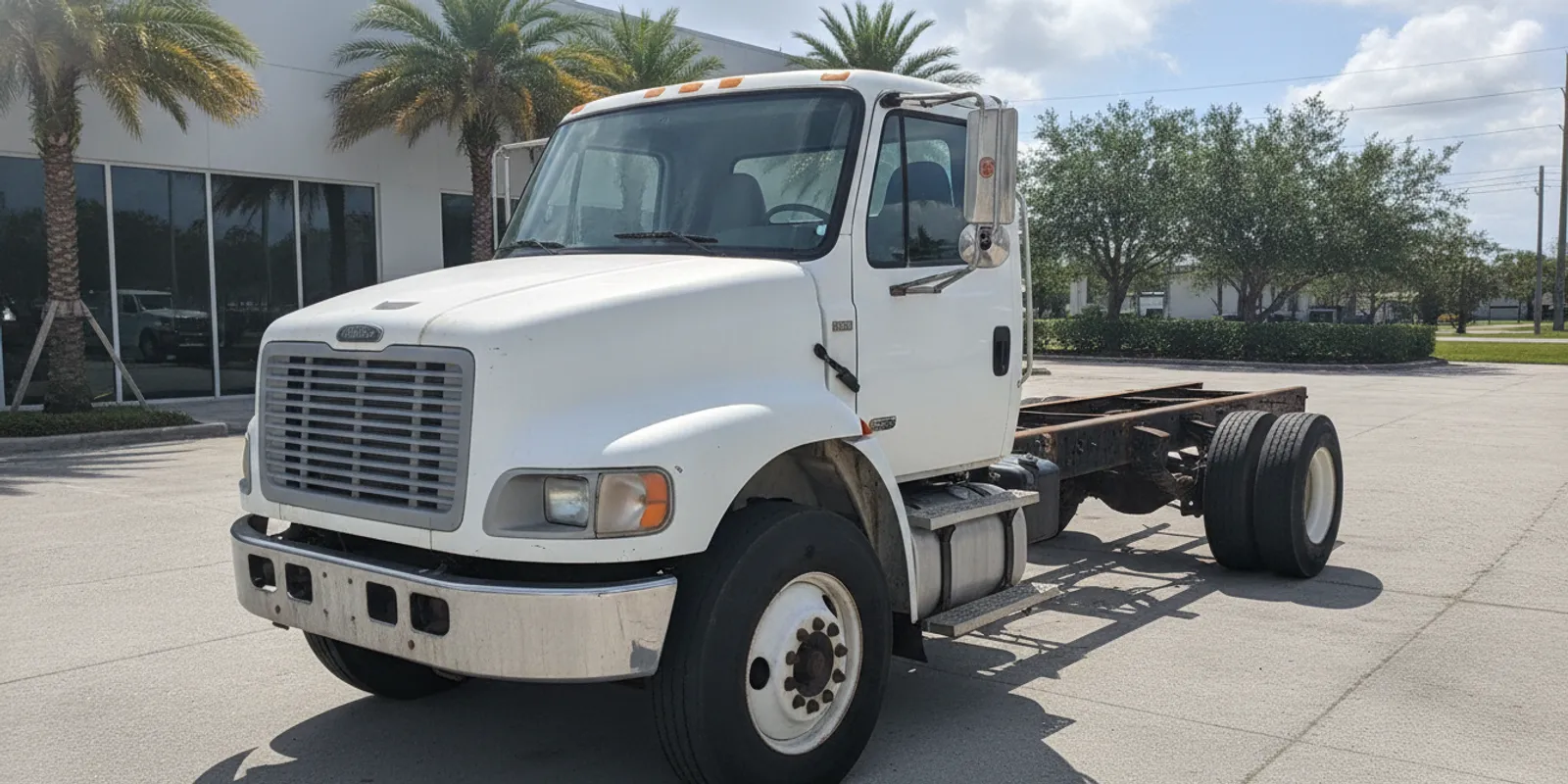
A cab and chassis truck is a commercial truck sold with the cab and frame rails but without a finished body behind the cab. That open configuration gives a business room to choose a body for its work, but the body must fit the truck’s measurements, ratings and frame. Before comparing options, start with the work the vehicle needs to do.
What does cab and chassis mean?
The cab is the enclosed area for the driver and passengers. The chassis is the supporting frame and running gear beneath the vehicle. A cab-and-chassis configuration includes the cab, frame, axles, wheels and other truck components, while leaving the rear frame available for a separately selected body or equipment. The exact equipment included depends on the specific truck, so confirm its configuration rather than assuming every example is identical.
This layout is useful when a standard body does not match the job. A contractor may need an open flatbed. A utility operator may need enclosed storage and work access. A delivery company may need an enclosed box. The chassis and body have to work together as one vehicle, so the decision is more involved than choosing a body by appearance or outside length.
DeBary Truck Sales is based in Sanford and serves commercial buyers in Florida and beyond. Buyers in Orlando, Daytona Beach, Kissimmee and Deltona can begin by reviewing the available cab and chassis inventory. Listings and availability change, so verify details for the specific truck you are considering.
Why does cab-to-axle measurement matter?
Cab-to-axle, often shortened to CA, is a key dimension used when checking whether a body can be positioned on a chassis. It generally describes the distance from the back of the cab to the center of the rear axle. Confirm how the measurement is defined for the truck and body you are evaluating, since reference points and body-maker requirements can vary.
The CA measurement helps establish the available space between cab and axle for a body’s front section and mounting arrangement. If the planned body requires a different relationship to the axle, the fit may not work as intended. A mismatch can affect body placement, cab clearance, weight distribution, and how the finished truck behaves. Do not rely on a model name or a visual estimate in place of an actual measurement.
Ask for the specific truck’s measurements and compare them with the body manufacturer’s fit information or the fabricator’s requirements. Check the usable frame length too. A body may be described by its overall length, but that alone does not tell you whether its mounting points and front clearance match a particular chassis.
Also consider the truck’s wheelbase, rear overhang and cab-to-body clearance. Equipment such as a liftgate, crane, service compartments or other attachments can change the space and weight needs. A complete fit review should use the actual chassis and body specifications, not a rough estimate based on a photograph.
Do not treat CA and wheelbase as interchangeable. CA focuses on cab-to-rear-axle spacing, while wheelbase describes the distance between axle centers. Each tells you something different about the chassis. A body maker may also specify a required frame length or mounting position, so a CA figure that seems close is only one part of the comparison.
When checking dimensions, identify the exact reference points and record the measurement for the actual truck. Confirm whether any components behind the cab, such as an exhaust system or other equipment, affect the body clearance. Ask the body maker or fabricator which dimensions and mounting information they need. Clear, shared measurements reduce the risk of comparing a chassis figure with a body dimension that was defined differently.
For more detail on measuring a body and planning for loading access, see this guide to commercial truck body dimensions. That measurement process complements, rather than replaces, checking the truck’s frame and body compatibility.
Which weight ratings and frame details should you check?
A body adds weight before any cargo or equipment goes aboard. The chassis also has limits that cannot be judged from its appearance. Review the truck’s certification information and documentation, then ask a qualified professional to confirm that the proposed body and intended use fit the vehicle’s ratings.
- GVWR: Gross Vehicle Weight Rating is the maximum loaded vehicle weight specified for that truck. It is not the same thing as the weight of the body or the amount of cargo a buyer can automatically carry.
- Axle ratings: Check the limits for each axle. A vehicle can be within its overall rating and still have a concern if weight is concentrated unevenly.
- Actual vehicle weight: The truck’s current weight and configuration matter. Body, equipment, occupants, fuel and cargo all affect the finished operating weight.
- Frame: Confirm rail dimensions, spacing, length, condition and the body maker’s mounting requirements. Look for bends, damage, corrosion or prior modifications that need professional review.
- Wheelbase and overhang: These affect the body’s placement and the finished truck’s proportions and operation. Compare actual measurements with the intended build.
- Power and operating needs: Consider the routes, loads, terrain, daily usage and any powered equipment. Confirm that the truck’s configuration supports the intended work.
Do not calculate usable payload by subtracting only the body’s advertised weight from GVWR. The starting weight must reflect the truck as equipped, and every addition reduces the remaining allowance. Confirm the applicable figures on the vehicle and with a knowledgeable truck professional. It is also worth asking where weight will sit, not only how much the completed truck weighs. A body, cargo and accessories can place different loads on front and rear axles depending on their position. The load may shift in normal use, too. A professional review should account for the truck’s axle limits and expected loading pattern, rather than assuming the same total weight is safe in every arrangement. On a used vehicle, distinguish the original published specifications from the truck’s present condition and equipment. Prior body installations, added equipment or repairs may affect what needs to be checked. Use the actual truck’s identifying information and available documentation. If a rating, measurement or modification is unclear, pause the fit decision until it is verified. For federal commercial vehicle safety information, consult the Federal Motor Carrier Safety Administration; the agency’s site is a general resource, not a substitute for a truck-specific fit or engineering review.
Inspect frame condition as part of evaluating a used chassis. Ask what records are available and check for signs of repairs or alterations. DeBary Truck Sales highlights one-owner, fleet-maintained trucks and has maintenance records on most trucks, but records vary by vehicle. Review the history and condition of the individual truck rather than assuming every unit has the same documentation.
What bodies can be mounted on a cab and chassis truck?
The right body follows the job. These are common configurations to compare; they are not a guarantee that a particular chassis can accept every body listed. Confirm dimensions, mounting requirements, weight and equipment for the truck you are considering.
| Body type | Common work fit | Key compatibility questions |
|---|---|---|
| Box body | Enclosed delivery, moving or general cargo | Will body length, door access, loading height and any liftgate suit the route and loading points? |
| Flatbed | Materials or equipment loaded from the side or above | Does the deck length work with the loads, tie-down plan and weight distribution? |
| Dump body | Loose material that must be unloaded by raising the body | Are chassis ratings, body mounting and any hoist requirements appropriate for the intended material and use? |
| Service or utility body | Field work that needs organized, lockable storage and access | Will compartments, doors and equipment clear the cab, wheels and other components? |
| Rollback or carrier body | Transporting vehicles or equipment on a tilting deck | Does the chassis support the body system and operating load, including any additional equipment? |
| Refrigerated body | Moving temperature-sensitive goods in an enclosed space | Where will the refrigeration equipment sit, and how will its weight and power needs affect the truck? |
The table is a starting point, not a fitment chart. A body’s own weight, mounting system and equipment can vary. Two bodies with a similar outside length may differ in weight, floor height, structure, door position and operating requirements. Check the specifications for the exact body and chassis pair.
Compare the available used truck bodies as part of the planning process. When a body needs a different setup, talk through the intended configuration with a fabricator before treating the truck as ready for the job. DeBary’s content describes fabrication capabilities, but confirm the requested work and its fit for a specific vehicle directly with the dealership.
What is the right order for choosing a body and chassis?
Start with the work, then identify the body, and then verify the chassis. This sequence helps prevent a common mistake: choosing a truck because it looks suitable and only later discovering that its frame, measurements or ratings do not support the intended body.
- Describe the job. Write down what the truck carries or does, the typical load, how it is loaded and unloaded, and the conditions it faces. Note height limits, tight access, ramps, docks, job-site surfaces and route constraints.
- Choose the body function. Decide whether the work calls for an enclosed box, open deck, dump configuration, compartments or specialized equipment. Focus first on function, not brand names or appearance.
- Set body requirements. Establish usable length, width, door and loading access, compartment layout, equipment and any temperature or power needs. The body maker or fabricator can help define the technical requirements.
- Match a chassis. Compare CA, wheelbase, frame length, ratings, actual condition and configuration with the selected body requirements. Check required mounting points and clearances.
- Review the complete build. Consider body weight, accessories, occupants and typical cargo together. Have the fit and weight plan reviewed before purchase or installation decisions are final.
- Confirm the individual vehicle. Verify the records, measurements and condition for the specific truck. Do not base a decision solely on a listing description or on specifications for another truck of the same model.
Some buyers already own a body and need a chassis to match. Others begin with a suitable cab and chassis and then specify a body around the work. Either approach can be practical, but the body and chassis must be checked together before committing to the configuration.
If you already have a body, collect its identification plate, manufacturer specifications, mounting details and current condition. Measure its overall dimensions and identify protruding equipment, doors and access points. A body that once worked on another truck is not automatically suitable for a different chassis; the frame, CA, mounting points and ratings may differ. Have those facts checked against the candidate truck before planning removal, installation or modification.
If you are starting with the chassis, write down what the finished truck must accomplish before you shop. For example, a delivery operation may need a particular loading method and unobstructed interior space, while a field crew may value accessible compartments and equipment placement. These are different requirements even if both buyers consider a similar cab-and-chassis truck. Defining the work first makes it easier to separate essential features from optional preferences.
Finally, leave room in the plan for a physical review. Photos and listings help narrow choices, but they cannot confirm every frame condition, clearance or measurement. A walk-around with the truck and body details at hand can reveal questions to resolve before the configuration is finalized.
What should you bring to a truck or fabrication conversation?
Useful details make the discussion more specific. Bring what you know, and flag anything that still needs to be measured or confirmed.
- The main tasks the truck will perform and where it will operate.
- Typical cargo or equipment, including approximate weight and dimensions where known.
- How items are loaded and unloaded: dock, forklift, ramp, crane, ground access or another method.
- Preferred body style and required usable space, doors, compartments or accessories.
- Measurements or specifications for a body you already own or plan to acquire.
- The truck’s VIN or listing details, plus available documentation and photographs of its frame and certification labels.
- Any route, height, access, turning or site constraints that could affect body size or equipment placement.
- Your target timing and budget range, without assuming a build schedule or cost before the configuration is reviewed.
If you are comparing chassis options, browse commercial vehicles in the current inventory and note the trucks that appear relevant. Inventory changes, so use the listing as a starting point and confirm the specific truck’s details with the sales team. If you need a different body style, review options such as flatbed trucks or dump trucks to see how ready-bodied configurations compare with an open chassis.
How can you compare a cab and chassis with a completed truck?
A cab and chassis gives you a chance to select a body around the work. A completed truck may be easier to evaluate as a whole because its body and chassis are already together. The best route depends on the fit you need, what is available and how much configuration work remains.
Compare the complete package rather than only the purchase price or body dimensions. For a cab-and-chassis build, account for the chassis, chosen body, mounting and any required equipment. For a completed truck, inspect the existing body’s condition, layout and compatibility with your loads and routes. In either case, confirm that ratings and actual vehicle condition suit your expected operation.
Think through the time and coordination required as well. With a cab and chassis, you must settle on a compatible body and confirm the work needed to complete the configuration. A completed truck can reduce the number of choices, but it may include features that do not match your workflow or need condition checks of their own. Compare the total scope of what remains to be done, the truck’s documentation and the fit to your daily tasks. Do not assume that a bare chassis is automatically the simpler or more suitable choice.
Buyers who need to plan payments can review DeBary’s commercial truck financing information. Any financing availability, terms or approval depend on the individual application and should be discussed with the dealership. The goal is to compare workable truck configurations for the business, not to assume a specific cost or approval outcome in advance.
Ask about a cab and chassis truck
Frequently asked questions
Is cab-to-axle the same as body length?
No. Cab-to-axle is a chassis measurement, generally taken from the rear of the cab to the center of the rear axle. Body length describes the body itself and may be measured in different ways. Both measurements matter, but neither alone proves that a body will fit.
Can any body be mounted on any cab and chassis?
No. The body must match the chassis dimensions, frame and mounting requirements, and vehicle ratings. Its equipment and intended load matter too. Confirm compatibility for the exact truck and body with the body maker or a qualified fabricator.
Should I select the body or chassis first?
Define the work first. Then establish the body requirements and match a chassis to them. If you already have one component, use its verified specifications to guide the selection of the other. Either way, check the complete combination before making a final decision.
What information is most useful when asking about fit?
Share the truck’s identity and measurements, the body specifications, expected cargo and equipment, and how the truck will be loaded and used. Include any route or access limits. If important details are unknown, identify them so they can be verified instead of guessed.
Ready to compare a cab and chassis truck with your work?
A successful body installation starts with a clear job description and verified measurements. Compare the body, CA, frame, ratings and operating requirements as one package, then review the specific truck’s condition and documentation. DeBary Truck Sales in Sanford can help you discuss available commercial truck options and the configuration you are trying to find.
Filed under: Blog


