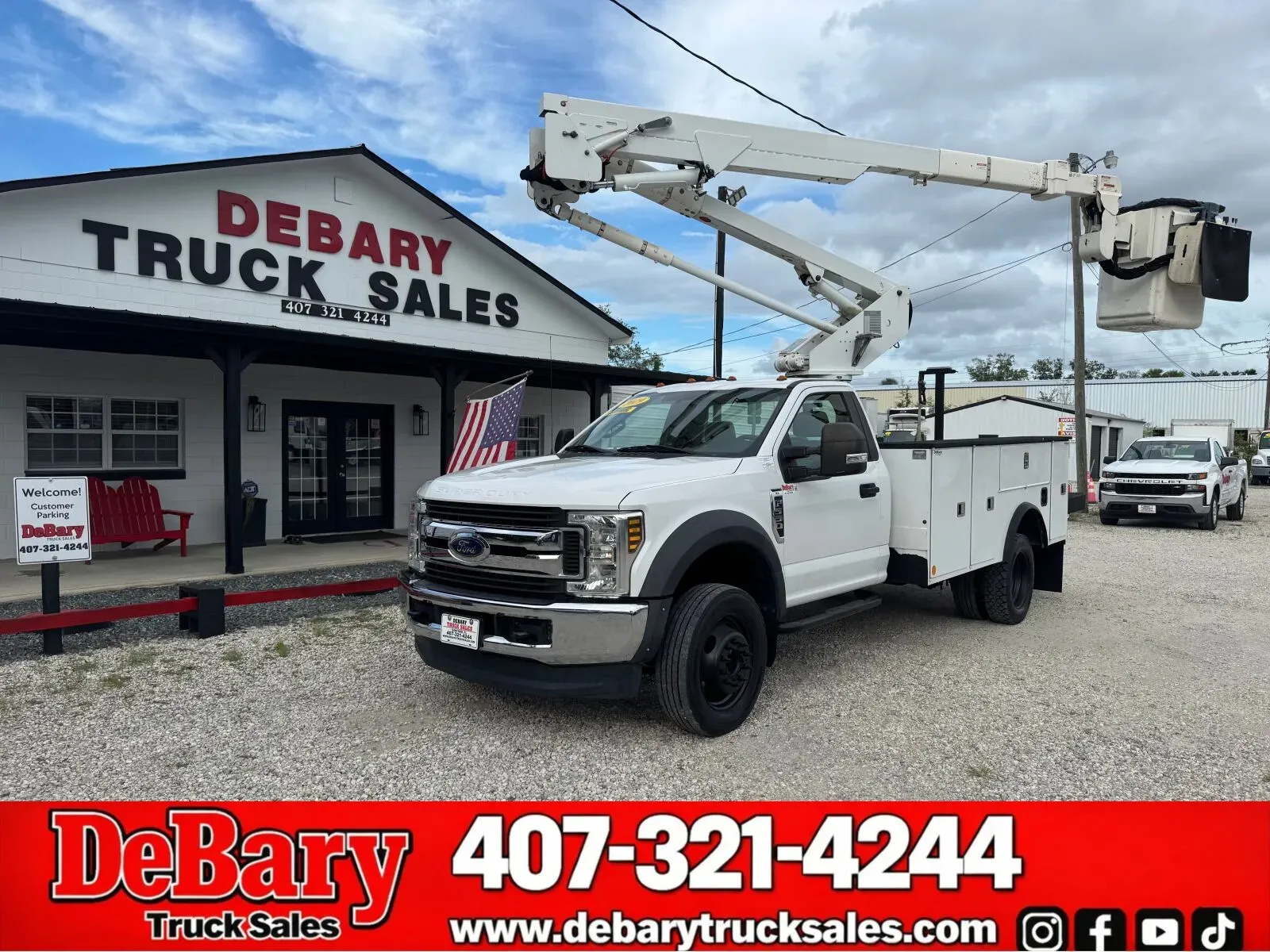

Buying a Used Commercial Truck for Export from Florida: Steps and Questions
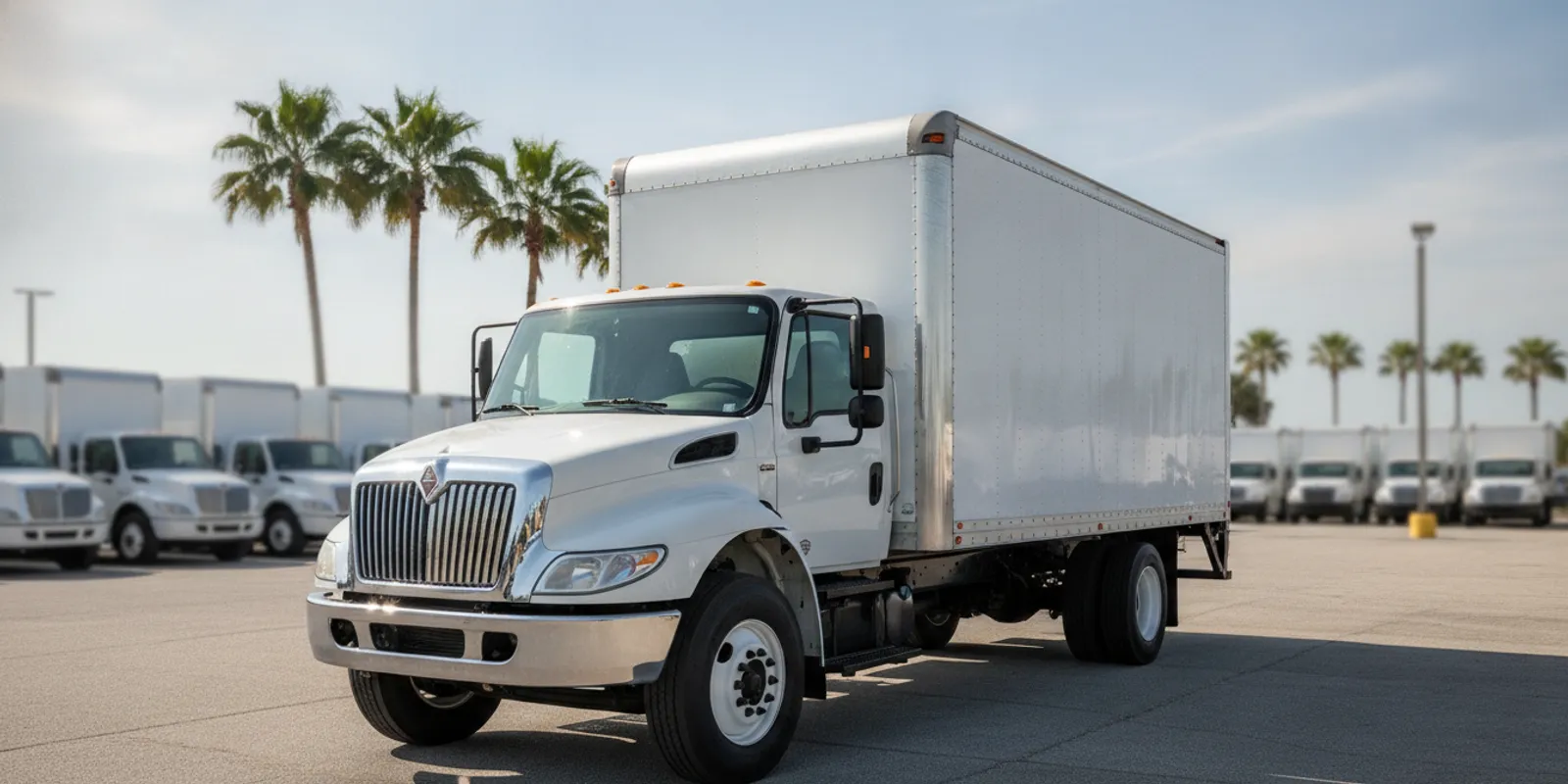
Buying a used commercial truck for export from Florida takes more than choosing a vehicle that looks right in photos. Before moving forward, an overseas buyer should confirm the truckâs identity and condition, agree on the sale details, understand who handles each export step, and check the import rules at its destination. This guide explains the questions to ask and what to confirm with the seller.
Contact the sales team to discuss a truck
What should you confirm before choosing a truck?
Start with the job the vehicle needs to do. A truck suitable for local deliveries may not fit a long-haul route, a construction operation, or a specialized cargo need. Clarify the body type, capacity requirements, route conditions, and any destination-country rules that could affect the purchase. DeBary Truck Sales is based in Sanford, Florida, and its inventory includes commercial and specialized vehicle types; current availability should be confirmed directly.
When reviewing a specific unit, record its stock or vehicle identification details and ask for recent photos from multiple angles, including the cab, chassis, tires, body, and any visible wear. Ask what records are available for that particular truck. DeBaryâs sourcing practice emphasizes one-owner, fleet-maintained vehicles, and maintenance records are available for most trucks, but the information and records can differ by unit.
Buyers can browse the used commercial truck inventory and narrow their research by type. For example, compare available box trucks, day cab trucks, and flatbed trucks against your planned use. Inventory changes, so treat listings as a starting point and verify the particular truck is still available.
What information should you request about the vehicle?
Ask the sales team for details that let you evaluate the exact unit rather than relying on a general description. Useful questions include:
- What is the truckâs year, make, model, VIN, mileage, and current configuration?
- Which maintenance or ownership records are available, and what period do they cover?
- Are there known condition issues or recent changes to the truck that are not obvious in the listing photos?
- Can the seller provide additional photographs or a walk-around video of the specific unit?
- What inspection or documentation can be arranged before the sale, and who is responsible for any third-party costs?
- Does the vehicleâs configuration and documentation suit the intended use and destination?
Write down the answers and keep them with the listing details. If more than one truck is under consideration, use the same questions for each one. That makes it easier to compare condition information and records without assuming that similar models have identical histories.
Which export steps and responsibilities need agreement?
International sales can involve several separate tasks. The buyer and seller should clarify responsibility for each task before committing. Do not assume that an item is included simply because it is common in another transaction. Ask specifically about the scope of the sellerâs export assistance, the documents provided, and any transport arrangements.
| Step or topic | What to clarify | Why it matters |
|---|---|---|
| Vehicle selection | Confirm the exact unit, VIN, condition details, and available records. | Keeps the agreement tied to the truck you reviewed. |
| Sale terms | Get the price, deposit or payment schedule, fees, and payment method in writing. | Prevents assumptions about amounts, timing, and what is included. |
| Title and export documents | Ask which documents the seller will provide and what additional paperwork is required. | Document needs depend on the transaction and destination. |
| Movement to port | Confirm whether inland transport is arranged, by whom, to which port, and at whose cost. | Responsibility and transport cost should be clear before purchase. |
| Ocean freight and destination import | Ask who books freight and verify destination-country import, tax, and registration rules. | Shipping and import requirements are not universal. |
Use this table as a conversation guide, not as a statement that any particular service or term is automatically provided. Ask the dealership to confirm what it can handle for your specific purchase and destination. In particular, clarify whether the buyer or seller arranges inland transport to port and ocean freight, and who pays each charge.
It also helps to distinguish the vehicle sale from the logistics agreement. A purchase invoice may describe the truck and the amount due but not settle every transport detail. Ask for a written outline of the handoff point: whether the truck remains at the dealership until pickup, whether it is moved elsewhere, and which party accepts responsibility at each stage. The exact arrangement must be confirmed for the transaction rather than inferred from a previous shipment.
Before sending a deposit, make sure the person receiving funds, the approved payment method, the amount, and the conditions for any refund or cancellation are understood in writing. Do not rely on a message that does not clearly identify the truck and transaction. If the buyer, freight company, or intermediary changes, confirm the updated arrangements with the seller using contact details obtained directly from the dealership.
What should overseas buyers know about documents and destination rules?
Paperwork can depend on the vehicle, sale structure, departure port, and destination. Ask the seller what title and export documents it will supply, when they will be available, and whether the buyer must provide information or signatures. Keep copies of the final invoice and vehicle identification information with the transaction records.
The buyer should independently check the destination countryâs current rules before purchasing. Confirm whether the country permits the vehicleâs age, type, configuration, and emissions or safety specifications; what import duties or taxes may apply; and what documents are required for customs clearance, registration, or road use. Rules can vary and change. For Florida state information or agency contacts, use the official Florida government portal; destination-country requirements should be verified with the relevant authorities in that country.
For a starting checklist, identify the authority responsible for customs and the authority responsible for vehicle registration in the destination. Ask each what rules apply to a used commercial vehicle of the specific type and age. Some destinations may distinguish between commercial vehicle classes or impose requirements related to emissions, safety equipment, age, or right-hand versus left-hand traffic. Do not assume that a truckâs eligibility for export from the United States establishes that it can enter, be registered, or be used on public roads in the destination.
Check details before the transaction is final, not only after the truck reaches a port. Ask what document formats are accepted, whether translations or certifications are required, and whether an original title or other original document must accompany the vehicle. If the destination agencyâs instructions are unclear, obtain guidance from the authority or a qualified import professional. Keep written responses and the date they were received, since rules and interpretations can change.
Do not treat a shipping estimate or a general answer as confirmation that a truck can be imported and registered where you live. If a requirement is unclear, obtain guidance from the destination customs authority or a qualified import professional before sending funds or arranging transport.
How can you keep the purchase process organized?
Use a simple sequence to reduce missed details:
- Identify the right unit. Share your intended use, preferred configuration, and destination with the sales team.
- Review the truckâs information. Confirm identifying details, photos, known condition information, and the records available for that specific vehicle.
- Confirm the written terms. Get the purchase amount, fees, payment timing, and any deposit requirements directly from the seller.
- Assign each export task. Confirm who provides title and export paperwork, arranges transport to port, books ocean freight, and pays each cost.
- Check import rules before proceeding. Verify destination requirements with official authorities and make sure the truck and documents meet them.
- Keep a complete file. Save the listing, written answers, invoice, records, transport details, and document copies together.
Build a transaction folder with a clear naming system, especially if several units are under review. Keep a copy of the listing as it appeared when you asked about the truck, then save the sellerâs written answers alongside the VIN and any follow-up photographs. Label documents by date and source. That way, you can distinguish current information from an earlier discussion if availability or terms change.
For a multi-truck purchase, make one checklist per vehicle instead of using a single group file. A shared folder or spreadsheet can record the unit identifier, record availability, destination eligibility questions, quoted transport responsibilities, and open issues. Mark items as confirmed only when you have a response for that particular vehicle. This prevents one truckâs documentation or configuration from being mistakenly applied to another.
If you are comparing financing or another purchase method, ask what options may be available for your circumstances rather than assuming overseas transactions follow the same process as domestic purchases. You can review the dealershipâs commercial truck financing information and confirm directly whether it applies to your planned transaction. If you have a vehicle to sell or trade, ask about the dealershipâs trade-in process separately.
How can you compare two trucks for export?
Compare the vehicles against the work they must perform and the requirements of their destination, rather than choosing only by age or appearance. A truck with the right body and capacity for the operation may be a better fit than a newer unit configured for a different job. At the same time, the buyer should verify the actual specifications from the vehicle documentation and not infer them from a model name or photograph.
Make a side-by-side worksheet with the same fields for each candidate: VIN, odometer reading, body type, configuration, available maintenance history, photo or video review, known condition notes, included equipment, and questions still unanswered. Add separate columns for destination eligibility, document status, and logistics. The worksheet should distinguish facts confirmed by records from statements that still need verification.
Then consider practical constraints. Does the truck fit the route, loading facilities, cargo, and operating conditions? Is the body suitable for the intended work, or would the operation require changes that should be discussed before purchase? If a specialized configuration is needed, review relevant inventory categories such as dump trucks or step vans as examples, while confirming the details and availability of each listed vehicle.
Keep decision criteria separate from logistics costs. First determine whether each truck is suitable and whether its documentation appears workable for the destination. Then compare the confirmed sale amount with transport, customs, taxes, and any other costs the buyer must obtain from the appropriate providers or authorities. Avoid treating an unverified estimate as a final landed cost.
What should you ask DeBary Truck Sales?
DeBary Truck Sales serves buyers from its Sanford, Florida dealership and has documented international sales activity. Its background references shipments to Canada, Puerto Rico, Panama, Chile, and Argentina. That does not mean every truck or transaction is suitable for every destination, or that the same delivery arrangement is available in every case. Confirm the current scope of assistance for your specific purchase.
Use direct, unit-specific questions so the answers are useful and can be checked later:
- Is the truck currently available, and can you confirm its VIN and current listing details?
- Which records and additional photos are available for this specific vehicle?
- What documents will be provided for the sale and export?
- Does the dealership arrange inland transport to port, or does the buyer arrange it?
- Who arranges ocean freight, and what costs are outside the vehicle purchase?
- What payment schedule, deposit terms, and fees apply to this transaction?
- What must the buyer confirm with destination-country authorities before purchase?
DeBaryâs sourcing approach focuses on one-owner, fleet-maintained trucks rather than auction purchases. Records are available for most trucks, but buyers should ask what is available for the individual unit they are considering and review it before making a decision. Ask about the truck itself, not just the general approach, so you understand any gaps in its particular history.
The dealershipâs company overview provides background on its Sanford operation. For inventory research, return to the relevant listing and have the vehicle identification details ready when you contact the sales team. If the truck is no longer available, ask whether another unit with the needed configuration may be worth reviewing; do not assume that a similar listing has the same history or export suitability.
Frequently asked questions
Can any used truck listed in Florida be exported?
Do not assume so. Export eligibility, destination import rules, documents, and transport arrangements are separate questions. Verify the specific truck and destination requirements with the seller and the relevant authorities before committing.
Does DeBary handle every part of international shipping?
Responsibilities can differ by transaction. Ask what assistance is available for the truck and destination you have in mind, including paperwork, inland movement, port handoff, and ocean freight. Get the agreed scope in writing.
Which records should I request?
Ask which maintenance, ownership, and vehicle records are available for the specific unit, what period they cover, and whether the seller can share additional photos or a walk-around video. Availability varies from truck to truck.
Where can I verify import requirements?
Start with the destination countryâs customs and vehicle-registration authorities. Ask about eligibility, duties, taxes, paperwork, and registration rules for the particular vehicle. A qualified import professional can help clarify questions, but the buyer should confirm requirements before purchase.
Contact DeBary Truck Sales about an export purchase
To begin, contact the sales team at (407) 321-4244 with the truck you are considering, your intended destination, and your questions about records, documents, and transport. Confirm each transaction detail directly before making arrangements.
Filed under: Blog